
To identify the right areas for setting your own useful coaching goals, you need to look inward and use self-assessment to find the intersection of your strengths, passions, and growth edge. This process involves exploring three key “zones”: your Zone of Genius, your “Stretch” Zone, and your core personal values. 1. The “Zone of Genius”
Author Archives: Amy Kay Watson
07
Feb
Feb
Listen as a podcast: Burnout is a word we hear often in leadership circles. It lingers in the background, often spoken in hushed tones or with a resigned sigh. Leaders walk a tightrope, juggling competing demands as they strive to support their teams and meet performance targets while retaining their humanity. With unclear expectations from
03
Feb
Feb
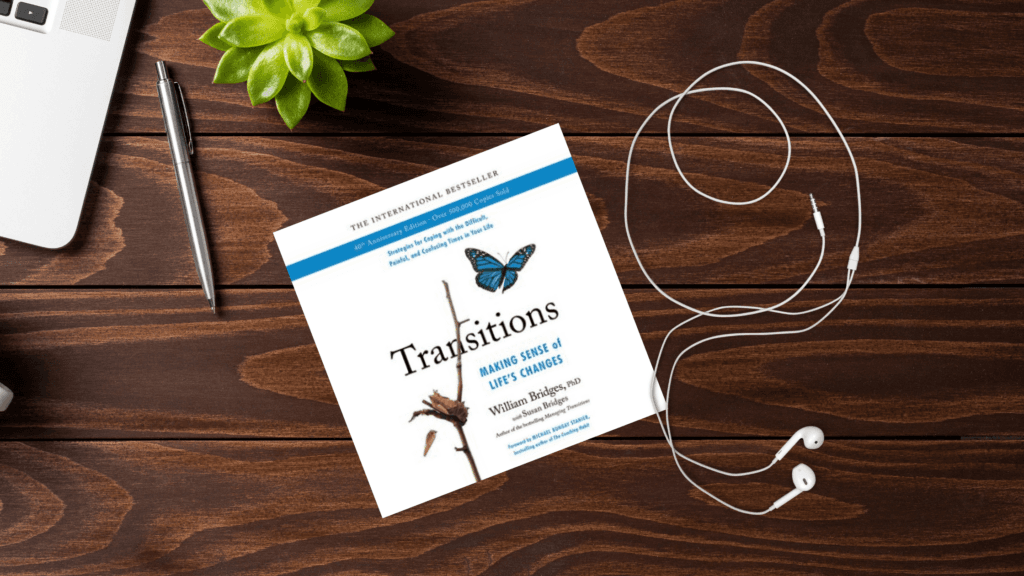
Change is inevitable, but successfully navigating the emotional and psychological process of transition is what leads to true transformation. Inspired by Transitions: Making Sense of Life’s Changes by William Bridges, this checklist is designed to guide you through the three phases of transition: Ending, The Neutral Zone, and New Beginning. Use it to support yourself


21
Jan
Jan
There is no excerpt because this is a protected post.

16
Jan
Jan
There is no excerpt because this is a protected post.
15
Jan
Jan
There is no excerpt because this is a protected post.
15
Jan
Jan
There is no excerpt because this is a protected post.
15
Jan
Jan
There is no excerpt because this is a protected post.

10
Dec
Dec
Feeling overwhelmed is a universal experience, but finding practical ways to regain clarity and control isn’t always easy. One of my favorite tools for breaking through mental clutter is the “brain dump” exercise—with a powerful twist. This method not only helps you unload your thoughts but also guides you to focus on what truly matters.