
This is one article in a series of three that are all about saying “NO” strategically. This one focuses on how to turn down a promotion that doesn’t fit your goals without sabotaging your career advancement. The other two center on (1) how to reclaim your time and energy when you’ve built your career on
Tag Archives: Stress Reduction

15
Nov
Nov
A client recently told me, “I know perfectionism is supposed to be bad, but I can’t let it go. It’s the reason my work is better than everyone else’s.” She isn’t entirely wrong. But she is scientifically misunderstanding the engine of her success. Research in organizational psychology draws a sharp line between two distinct traits

15
Nov
Nov
In 2023, 42% of workers reported feeling burned out, a statistic that had climbed steadily since 2020. But for senior leaders, the problem isn’t just the number of people burning out; it’s the type of people we are losing. We are seeing seasoned veterans (the ones who usually “power through”) hitting a wall. For years,

02
Nov
Nov
Hi. I’m Amy Kay Watson, and I’m addicted to electronics…
Every third Sunday of the month, I have set aside a device-free day. That means this Sunday, I won’t be on email, social media, or even the phone.
18
Nov
Nov
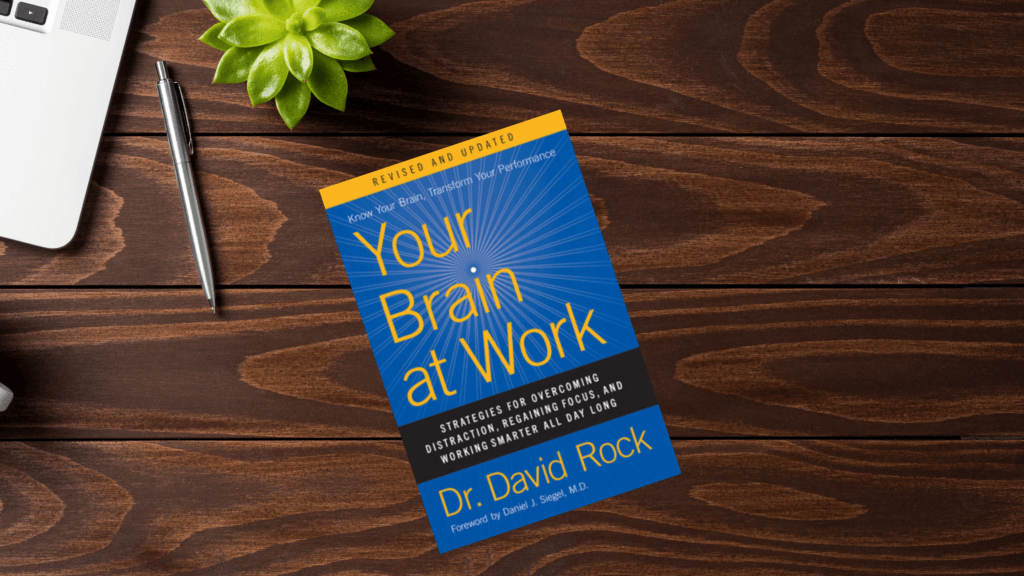
David Rock, a thought leader in the field of neuroscience and leadership, introduced the SCARF model in his seminal book Your Brain at Work. This book explores how understanding the brain’s natural tendencies can help individuals and teams improve performance, collaboration, and decision-making. The SCARF model, one of the central concepts in the book, offers

14
Aug
Aug
Summary: Corporate stress doesn’t have to run the show. This article explores how purpose-driven leadership helps you manage stress, reduce criticism, and lead with more clarity and compassion—without needing a new to-do list. Listen as a podcast Have you ever felt that crushing weight of stress, the kind that sneaks up on you and suddenly

02
Oct
Oct
Listen as a podcast Feeling worried about layoffs? Your team probably is too. They’re looking to you for help, and you might need some guidance as well. Here’s what to do. Bottom line, layoffs are tough on everyone. But we do our best when we help each other. Stick together, learn, and who knows, things

15
Jul
Jul
Listen as a podcast Melissa is a hard-working leader in her organization who found herself entangled in a vicious cycle of self-criticism. She received feedback about the need to hone her listening skills and adapt her approach to be more audience-focused. Despite her efforts, she grappled with quietening her mind during conversations and presentations. Her